
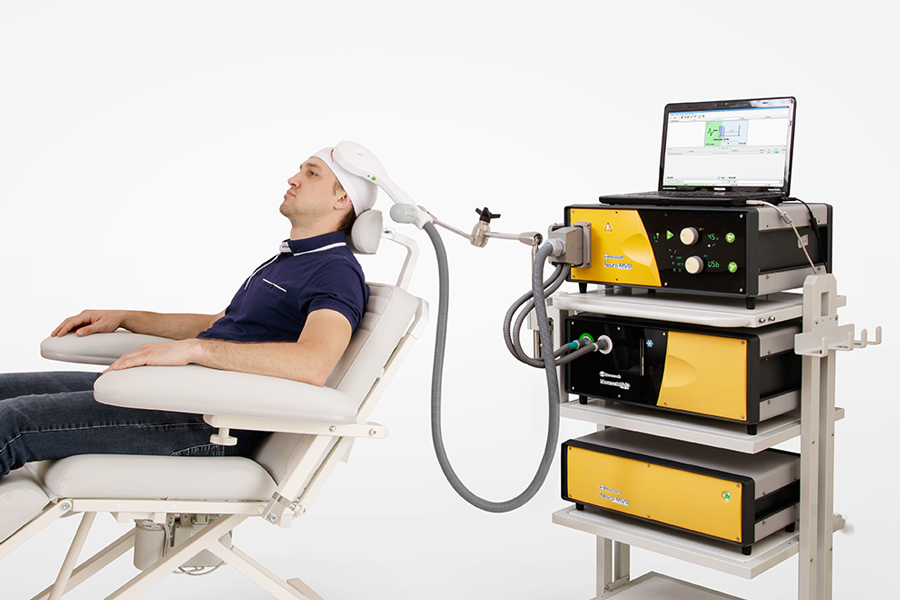
Transcranial magnetic stimulation (TMS) therapy uses electromagnetic pulses to affect different parts of your brain. Essentially, the pulses activate your brain’s neuroplasticity, which is the ability to change and adapt.
Through the pulses, the brain changes, and people feel relief from the symptoms of various mental health conditions.
TMS is trusted as a treatment for many disorders:
Transcranial magnetic stimulation (TMS) therapy is a safe and FDA-cleared treatment for most people. The most likely danger is inducing a seizure. However, a study found that in those who don’t have epilepsy, the risk of TMS inducing a seizure was <0.01% per session. For those with epilepsy, the risk was <3% per session.
As for the effectiveness of the treatment, TMS is effective 50–60% of the time!
After 708 participants were given TMS treatment for six weeks, at least 50% experienced improvement in mood symptoms. These symptoms were measured using depression rating scales.
About 50-60% of people with depression who have failed to benefit from medications report a clinically positive response from TMS treatment. Specifically, one-third of participants report a full remission. While there can be a high recurrence rate, TMS is still worth considering.
We Accept Most Insurance Plans


























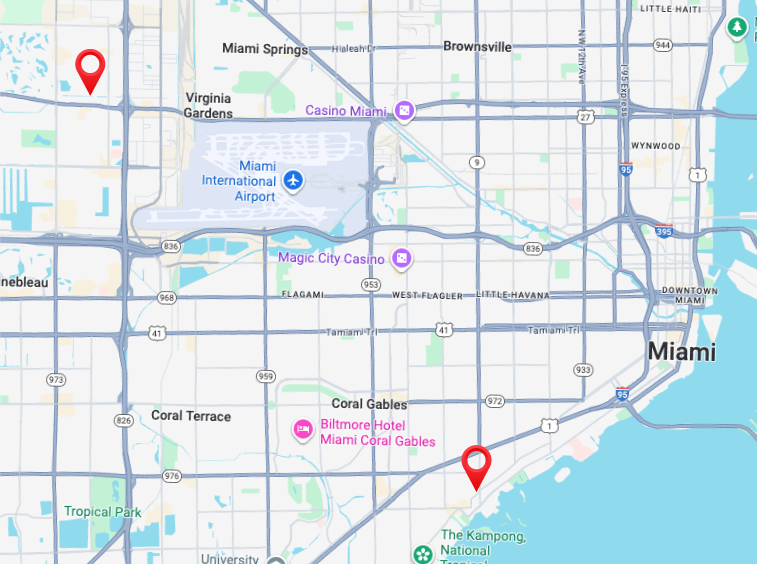
TMS therapy must be done in person, and you can schedule an appointment at either our Doral or Coconut Grove locations.
Our TMS therapy program is designed to guide you through a positive treatment experience. The process typically involves four key steps:
Comprehensive evaluation with one of our experienced specialists.
Tailored therapy schedule based on your unique needs.
Typically 5–20-minute sessions, five times a week for 4–6 weeks on our CloudTMS machine.
Regular progress reviews and adjustments to your care plan as needed.

Our Miami Success Stories
Contact Us Today


Hours of Operation:
Monday & Friday: 9 AM to 6 PM | Tuesday - Thursday: 9 AM to 8 PM

Hours of Operation:
Monday & Friday: 9 AM to 6 PM | Tuesday - Thursday: 9 AM to 8 PM
Each session may be completely covered or incur a copay... depending on your insurance plan. If you have any concerns about cost, contact us, and we can provide a better estimate.
TMS is a good choice for people resistant to traditional treatments for depression, PTSD, and other mental health disorders. It may also help people with substance abuse addictions to have greater success in breaking free from cravings.
Yes, TMS is covered by most insurance plans for treating certain conditions, especially when other treatments have not been effective. Coverage varies widely, so you must check with your insurance provider. They may require documentation of your medical history and previous treatments to determine eligibility for coverage.
Additionally, if needed, most insurances cover our psychotherapy services, which are 45-minute to one-hour sessions.
Each TMS session lasts 3-20 minutes. The specific amount of time needed depends on physical factors (the intensity of stimulation required) and the type of disorder you have.
You will also have multiple sessions each week to gain the full benefit of TMS therapy.
Some patients notice improvements within the first two weeks and full improvement in six weeks.
Everyone has a different physical and emotional makeup. Some people notice results more quickly than others. On average, patients should start to see results after two to four weeks of treatment.
Many people experience significant relief from symptoms for many months after finishing treatment. Their symptoms may disappear entirely during that time. Other people have noticed an improvement in symptoms for years.
The average time the effects of TMS therapy last is about one year. Sometimes, follow-up sessions are scheduled every few months to help maintain results. We customize your treatment to match your needs so it’s as effective as possible.
Many patients take items to help them feel comfortable during their TMS sessions. This can include headphones to help you relax with music during TMS therapy or even take a nap. We encourage it if it helps you relax.
If you’ve experienced headaches before from TMS, you may want to take along a bottle of water and some over-the-counter pain medication. You’ll need to remove any hearing aids, hair clips, or facial piercings when you arrive.
Patients who have metal objects embedded in their heads or faces can’t receive TMS treatment. The strong magnetic pulses used during therapy could cause metal objects to move or heat up.
Those with epilepsy, a history of seizures, or other similar health conditions may not be suitable for TMS therapy. Talk to your provider about these conditions before signing up for TMS.
Your mental health matters. Schedule an in-person or virtual visit with one of our trusted providers through our website. For questions, contact our office directly.