

What Is Grief Therapy?
Grief therapy is for those who have persistent symptoms of intense grief that affect their daily functioning.
Grief therapists support you as you travel through the various phases of grief by being an empathetic listener, teaching coping mechanisms, and assisting with accepting your new reality. All of this allows you to explore your emotions in a safe space, which helps you heal.
Grief counseling can address all types of grief, including, but not limited to:
There is no timeline for grieving. However, the severity of symptoms typically dissipates with time, even if you are still actively missing your loved one.
When your symptoms of grief persist in intensity after a year for adults or six months for children after the initial loss and continue to affect your daily life, you may be experiencing prolonged grief disorder (PGD). If this sounds like you, bereavement therapy could be beneficial.
Around 4–15% of grieving adults will struggle with prolonged grief disorder.
PGD symptoms include:
We Accept Most Insurance Plans





























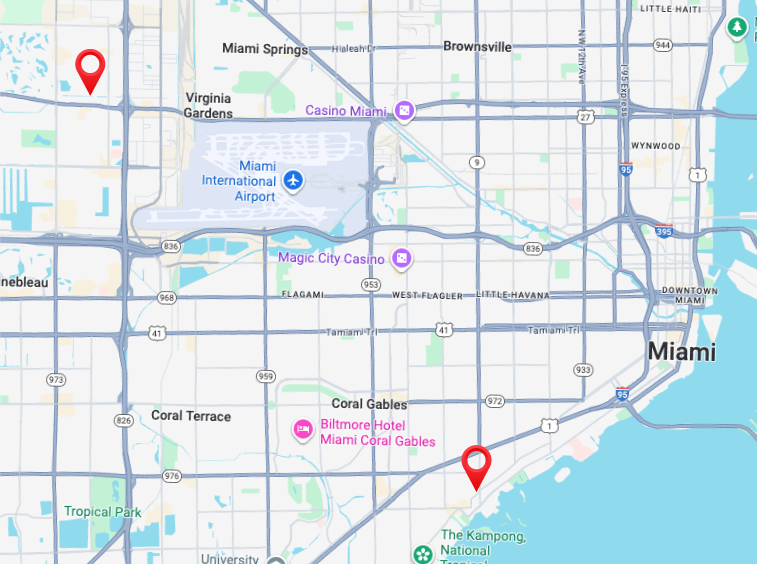
Grief therapy can be done in person at our Doral and Coconut Grove locations or online at any of our locations. Our grief treatment program can be summarized into four steps.
Connect with one of our professional grief therapists to discuss your needs.
After the consultation, you and your therapist will create a tailored treatment plan.
Depending on your needs, you may meet with your therapist regularly for talk therapy or other treatment methods.
Regular check-ins will ensure that your treatment is still working for you. If not, adjustments will be made.

Our Miami Success Stories
Contact Us Today


Hours of Operation:
Monday & Friday: 9 AM to 6 PM | Tuesday - Thursday: 9 AM to 8 PM

Hours of Operation:
Monday & Friday: 9 AM to 6 PM | Tuesday - Thursday: 9 AM to 8 PM
Grief treatment is specifically designed to address your grief. It’s different from traditional talk therapy because of its specificity, and other treatment methods may be used in addition to talk therapy.
A sign of needing professional support for your grief is when it begins to affect your daily life six to twelve months after your loss.
Yes, anticipatory grief can be treated. Anticipatory grief can be treated similarly to other forms of grief.
There is no definitive timeline for grief treatment. It will depend on the person and their needs. Some people find improvement in six months, others spend longer in grief treatment.
Your mental health matters. Schedule an in-person or virtual visit with one of our trusted providers through our website. For questions, contact our office directly.